
What Makes Quality Disability Support in Regional NSW
Understanding the foundations of safe, reliable and person-centred disability supports across regional communities.
2/11/20262 min read
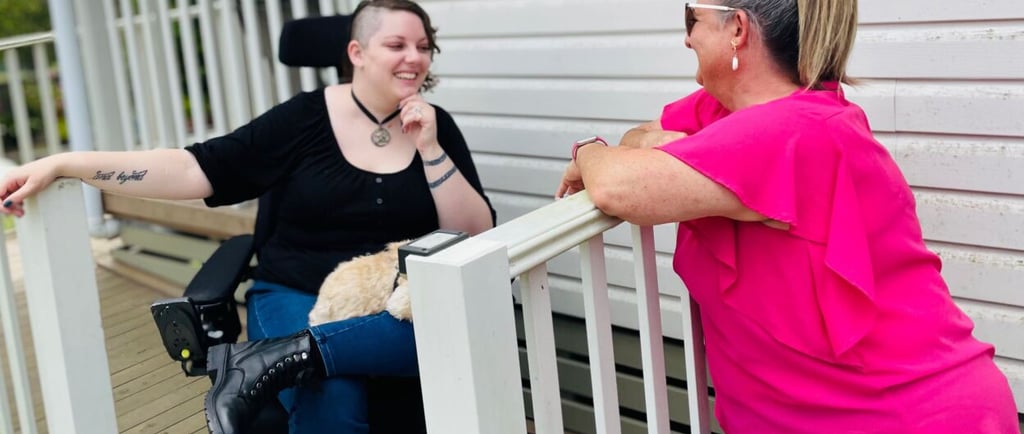
Delivering disability support in regional New South Wales presents both unique opportunities and challenges. While regional communities often offer strong connection and continuity, they can also face workforce shortages, travel barriers and limited access to complex services.
For participants, families and Support Coordinators, understanding what defines quality disability support in regional areas is essential to achieving stability, independence and long-term outcomes.
This guide explores the key elements that underpin high-quality NDIS service delivery across Regional NSW.
Person-Centred Practice Comes First
Quality support always begins with the participant — their goals, preferences, routines and lived experience.
In regional settings, where services may be fewer, it is especially important that providers do not deliver “task-only” care.
Person-centred providers will:
Take time to understand the individual
Adapt supports to lifestyle and culture
Respect choice and control
Build genuine relationships
Participants should feel known — not rostered.
Reliability in Workforce Delivery
One of the most significant risks in regional disability support is inconsistency.
Workforce shortages, illness, travel time and provider capacity can all impact service continuity.
Quality providers mitigate this by:
Maintaining stable staffing pools
Training multi-skilled workers
Providing contingency coverage
Communicating roster changes early
Reliability is not just operational — it protects participants' well-being and reduces the risk of hospital or crisis escalation.
Clinical Capability and Complex Care Experience
Regional participants often live with layered needs:
Mobility limitations
Degenerative conditions
Psychosocial disability
Cognitive decline
Chronic health conditions
Quality providers must be able to manage complexity safely.
This includes:
Nursing oversight where required
Medication and health monitoring
Manual handling competence
Behavioural support awareness
Clinical escalation pathways
Without this, participants may be forced to seek metro-based services, disrupting community connections.
Strong Collaboration With Local Networks
High-quality regional providers do not work in isolation.
They actively collaborate with:
Support Coordinators
Plan Managers
Occupational Therapists
Speech Pathologists
Social Workers
Local Health District services
This ensures supports remain aligned, funded appropriately and responsive to change.
In regional NSW, collaboration often fills service gaps.
Understanding the Regional Landscape
Providers embedded in regional communities bring valuable local knowledge, including:
Transport limitations
Community participation opportunities
Employment pathways
Cultural considerations
Local health infrastructure
This insight allows supports to be practical — not theoretical.
Capacity Building, Not Dependency
Quality disability support should always move participants forward.
This includes:
Building daily living skills
Increasing confidence in the community
Supporting employment or study pathways
Developing social connections
Encouraging independence in decision-making
The goal is empowerment, not long-term reliance.
Communication and Transparency
Participants and families should never feel uncertain about their support.
Strong providers demonstrate:
Clear service agreements
Open communication channels
Regular progress reviews
Incident transparency
Responsive problem resolution
Trust is built through consistency and honesty.
Cultural Safety and Community Inclusion
Regional NSW is diverse, including Aboriginal and Torres Strait Islander communities and culturally diverse populations.
Quality providers ensure:
Cultural respect
Inclusive communication
Community connection support
Awareness of local cultural networks
This strengthens participant belonging and identity.
Safeguarding and Quality Compliance
Registered providers must meet NDIS Quality and Safeguards Commission standards, including:
Worker screening
Incident reporting
Restrictive practice compliance
Participant rights protections
These safeguards are especially important where participants may be geographically isolated.
Final Thoughts
Quality disability support in Regional NSW is defined not by location, but by approach.
When providers combine person-centred practice, workforce reliability, clinical capability and strong collaboration, participants can live safely and meaningfully within their communities — without needing to relocate to metropolitan services.
For families and referrers, choosing providers who understand the regional context creates stronger, more sustainable outcomes.
Support
Empowering individuals with compassionate disability support.
Registered Nurse-led service
24/7 availability
Local provider (not a franchise)
Experience across aged care, DVA & disability
Care
Discuss with us
+61 422 499 770
© 2025. All rights reserved Holistic Disability Solutions.
Complete our contact us form
Servicing Port Macquarie, Taree, Wauchope, Forster & Kempsey regions and within this radius.


Google Business Profile
View our Google Business Profile here